Last updated 29 September 2026
Mostly yes, and the thing that makes people ill is usually not what they think. Food cooked to order in front of you, served straight out of hot oil at a stall with a queue, is among the safer things you will eat in India. What causes trouble is water, ice, and things that have been sitting — raw salads, pre-cut fruit, chutneys thinned with tap water, a buffet tray kept lukewarm.
That distinction matters, because the usual advice — avoid street food entirely — makes people miss the best food in the country while still getting ill from the ice in a hotel drink.
What actually causes travellers' stomach trouble
Almost all of it comes down to water, or to food that has been in contact with untreated water and then not cooked. Tap water is not safe to drink anywhere in India, including in good hotels, and that extends to anything it touched.
The second cause is time and temperature rather than hygiene. Food that was cooked properly and then sat at room temperature for three hours is a far bigger risk than food that hit a 200°C pan thirty seconds ago.
And there is a third, which nobody likes hearing: your stomach is simply not used to this food. A perfectly clean meal with unfamiliar spice levels and a great deal more chilli and oil than you usually eat can cause a day of discomfort that has nothing to do with contamination.
| Item | Risk | Why |
|---|---|---|
| Freshly fried snacks from a busy stall | Low | Cooked at high heat in front of you, sold too fast to sit |
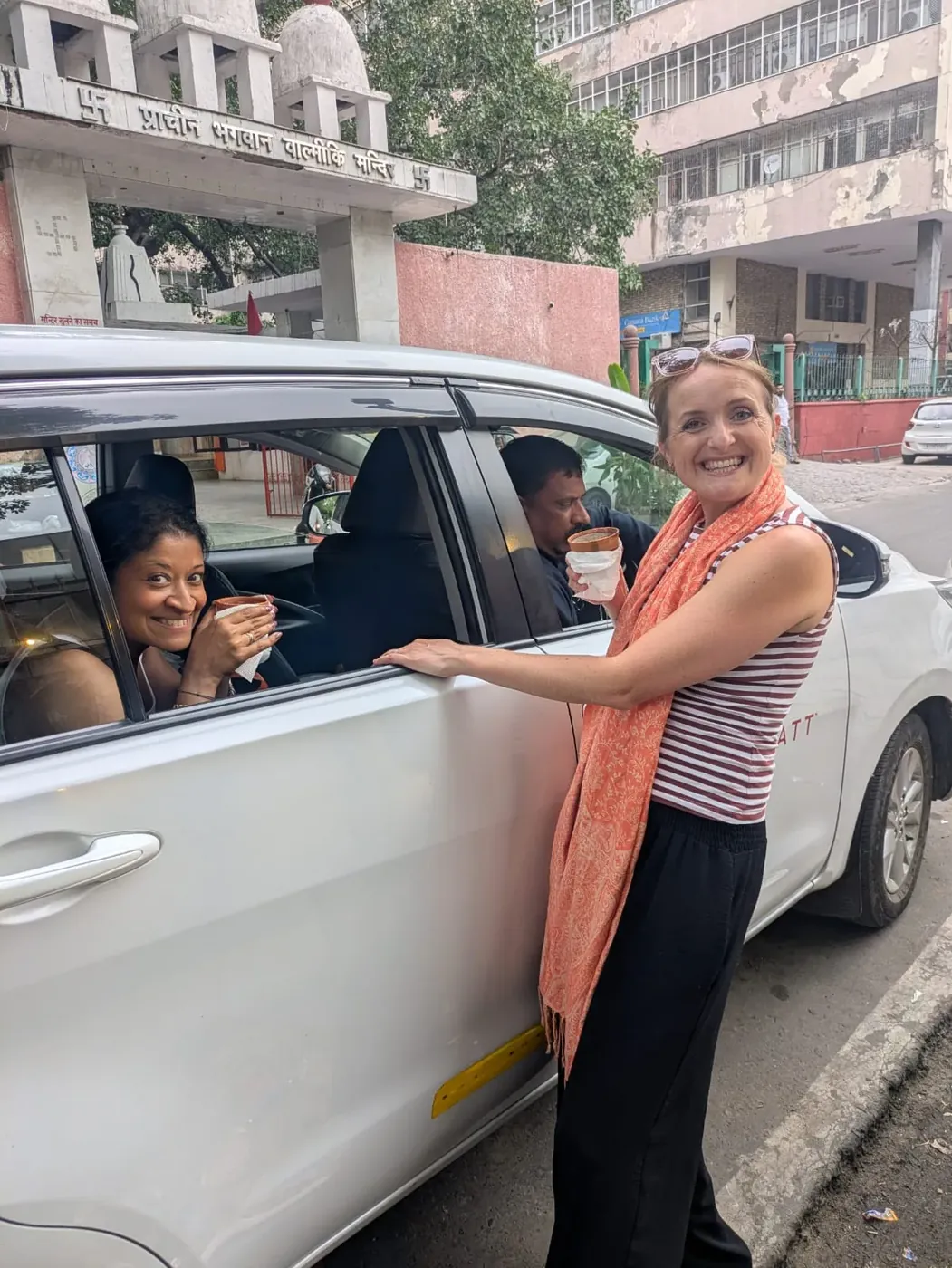
| Hot chai | Very low | Boiled, and boiled again |
| Tandoori and grilled meat, served hot | Low | Cooked through at high heat to order |
| Curries at a busy restaurant | Low | High turnover means nothing stands |
| Ice in an unknown place | High | Usually made from tap water |
| Pre-cut fruit from a cart | High | Cut hours earlier, rinsed in tap water, left in the sun |
| Raw salad and garnishes | High | Washed in tap water and never cooked |
| Thin chutneys and sauces at a stall | Moderate | Often thinned with tap water |
| A lukewarm buffet | Moderate to high | Time and temperature, in the one place people assume is safest |
How to choose a stall
The signal that matters most is turnover. A stall with a queue of local office workers is selling out its stock several times a day, which means nothing is old. An empty stall with a full tray is the opposite, however clean it looks.
Everything else follows from that. Watch for a minute before you commit — it costs nothing and tells you more than any amount of advice.
- Go where locals are queuing, especially around lunchtime near offices and markets.
- Prefer food cooked to order in front of you over food already sitting in a tray.
- Watch whether the person handling money is also handling food. Many good stalls split those jobs.
- Take the chutney only if it looks thick rather than watery.
- Eat with your hands after using sanitiser, or ask for a spoon — both are completely normal.
- Go at peak times rather than off-hours. Busy is safer than quiet.
What to eat first
If you want to start somewhere low risk and genuinely good, these are the things we point first-time guests at in Delhi and Agra. All are cooked hot to order, all are widely sold, and all are worth the trip on their own.
- Chole bhature — fried bread with a chickpea curry, cooked in front of you, a Delhi institution.
- Aloo tikki — potato patties fried on a hot griddle to order.
- Kebabs from the lanes behind Jama Masjid — grilled over coals, served straight off the skewer.
- Parathas at Paranthe Wali Gali in Chandni Chowk — fried to order, and the lane exists for nothing else.
- Jalebi, fresh out of the syrup — sugar and hot oil, which is not a combination bacteria enjoy.
- Masala chai, anywhere, constantly. It is boiled, it is cheap, and it is how the day is punctuated here.
- Agra petha, if you are in Agra — a sweet made from ash gourd, sold in sealed boxes and easy to carry.
If you do get ill
Most travellers' stomach upsets resolve in twenty-four to forty-eight hours without treatment. Rehydration matters more than medication — oral rehydration salts are sold in every pharmacy for a few rupees and work better than water alone.
Anti-motility medication like loperamide stops the symptom rather than the cause. It is useful if you have a long drive or a flight, and worth avoiding otherwise, because the process is doing something.
See a doctor if there is a fever, blood, or symptoms lasting beyond about two days. Private clinics in Delhi and Agra are good, quick, and inexpensive by Western standards, and most decent hotels will arrange a doctor to the room.
- Oral rehydration salts, from any pharmacy, are the first thing to reach for.
- Plain food for a day — curd rice, khichdi, toast, bananas.
- Keep drinking, in small amounts, continuously.
- Loperamide only if you have to travel.
- Fever, blood or more than two days — see a doctor rather than waiting it out.
What we do on our own tours
We take guests to street food, because leaving it out means leaving out the thing Old Delhi is actually famous for. What we do is pick the stalls, which is the part that is hard to do on your first day in a city where you cannot read the signs.
Our guides eat at these places themselves, which is the only recommendation worth anything. If a stall has had a bad month, we know before you would. And if you would rather not eat street food at all, that is a completely reasonable position and the day works fine without it.
Common questions
Is Indian street food safe for tourists?
Freshly cooked street food from a busy stall is among the safer things you will eat in India — it is cooked at high heat in front of you and sells too fast to sit. What causes most travellers' stomach trouble is water and things that touched it without being cooked: ice, pre-cut fruit, raw salads and watery chutneys. Avoiding street food entirely while drinking a hotel cocktail with ice gets the risk exactly backwards.
What causes Delhi belly?
Usually water rather than food — tap water, ice made from it, or raw items washed in it and never cooked. The second cause is time and temperature: food cooked properly and then left standing for hours. The third is simply an unfamiliar diet, with far more chilli and oil than you are used to, which can cause a day of discomfort with no contamination involved at all.
How do I choose a safe street food stall in India?
Turnover. A stall with a queue of local workers sells out its stock several times a day, so nothing is old; an empty stall with a full tray is the opposite whatever it looks like. Prefer food cooked to order in front of you, go at peak times rather than quiet ones, and take the chutney only if it is thick rather than watery.
Can I eat salad and fruit in India?
Be careful with both. Raw salad is washed in tap water and never cooked, which makes it one of the higher-risk items on any menu. Pre-cut fruit from a cart has usually been sitting for hours. Whole fruit you peel yourself is fine, and good hotels that wash produce in filtered water are generally safe — ask if you are unsure.
What should I do if I get sick in India?
Rehydrate first — oral rehydration salts from any pharmacy cost a few rupees and work better than water alone. Eat plainly for a day. Use loperamide only if you have to travel, since it stops the symptom rather than the cause. If there is fever, blood, or symptoms lasting beyond about two days, see a doctor; private clinics in Delhi and Agra are quick and inexpensive, and most hotels will arrange one.