Last updated 17 September 2026
Mostly, yes. Millions of foreign visitors come through Delhi every year and the overwhelming majority have an ordinary, uneventful trip. The real risks are not the ones most people worry about — violent crime against tourists is rare. What is common is being overcharged, misdirected, or steered towards a shop that pays commission.
That said, "it is safe" is a lazy answer, and so is "it is dangerous". Below is what actually tends to go wrong, what solo women should plan for, and what we do differently on our own tours. We run these streets every week, and we would rather you arrive prepared than reassured.
What actually goes wrong
Almost every bad story that comes out of Delhi is a commercial one, not a violent one. It follows a pattern, and the pattern is worth knowing because it is easy to spot once you have seen it written down.
- The taxi that says your hotel is "closed", "burnt down" or "full", and offers to take you to a better one — where he earns a commission
- The helpful stranger outside a monument who says the entrance is elsewhere, and walks you towards a travel agency
- The auto-rickshaw that will not use the meter, then quotes four times the fare at the end of the ride
- The "government tourist office" near Connaught Place that is nothing of the sort
- The shopping stop your driver insists on, where prices are doubled and he takes a cut
Solo female travellers
This deserves a straight answer rather than a reassuring one. Delhi has a poor reputation on women's safety, and it is not entirely undeserved — staring is common, and crowded public transport can be uncomfortable. Most solo women who visit have no serious problem, but "most" is doing real work in that sentence and it would be dishonest to pretend otherwise.
What changes the experience is structure: knowing where you are going, having transport you did not arrange on the street, and not being alone in unfamiliar areas after dark. None of that requires being fearful. It requires planning the parts that are easy to plan.
- The Delhi Metro has a women-only carriage at the front of every train — it is well used and worth using at busy hours
- Use a booked cab (app or hotel) rather than flagging one down, particularly at night
- Dress is not about rules — shoulders and knees covered simply attracts less attention, which is the practical point
- Trust the instinct to leave a situation. You owe no one a polite exit
- Share your day's plan with someone — a hotel, a friend at home, or your guide
Areas, and times of day
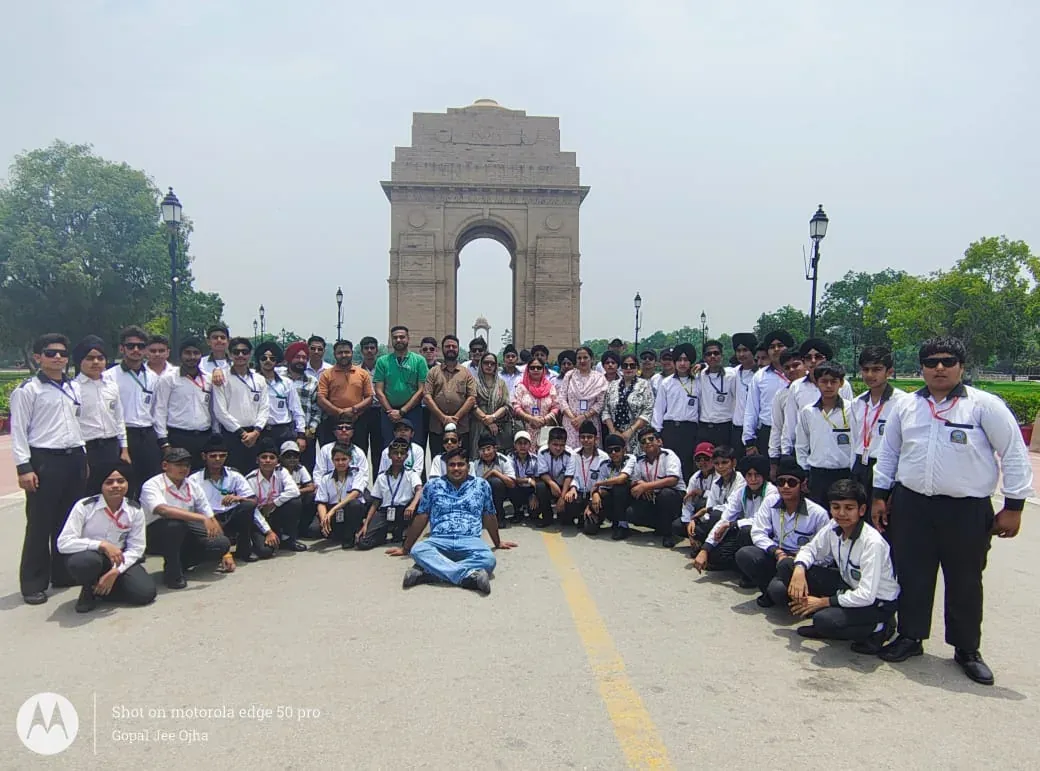
Delhi is not one place. Central Delhi around India Gate, Lodhi Road and Khan Market is calm and green. Old Delhi around Chandni Chowk is dense, loud and completely absorbing — and entirely fine in daylight, though it is easy to get lost and hard to move quickly.
Paharganj, the backpacker area near New Delhi railway station, is where most touts operate. It is not dangerous so much as relentless. If your hotel is there, that is fine, but expect to be approached constantly.
After dark, the calculation changes in the way it does in any large city: stay in well-lit, busy areas, and take a booked cab rather than walking unfamiliar routes. Delhi at night is not a no-go zone — Connaught Place, Khan Market and Hauz Khas are busy and normal well into the evening.
Food and water
The stomach is the thing most likely to interrupt your trip, not crime. Tap water is not drinkable — use sealed bottles, and check the seal. Ice in smaller places is worth avoiding.
Street food is not the enemy. A busy stall with high turnover, cooking in front of you, is usually safer than a quiet restaurant with a fridge you cannot see. The rule is freshly cooked and hot, eaten where locals are eating.
If your stomach is unaccustomed to Indian food, give it a couple of days before the ambitious eating. Carry oral rehydration salts; they are cheap at any pharmacy and make a bad day considerably shorter.
Air quality — the real seasonal risk
This is the health issue most visitors underestimate, and unlike everything else on this page it is seasonal and measurable. Delhi's air is at its worst from late October through January, when crop burning, cooler air and winter smog combine. Readings during that period are regularly in the unhealthy range.
For most healthy adults on a short visit it means irritated eyes and a cough. For anyone with asthma or a respiratory condition, or travelling with young children or elderly parents, it is worth taking seriously — check the current AQI before you travel, carry an N95 mask, and plan indoor mornings on the worst days.
February to April and September to early October are considerably better, and pleasant to walk in.
What we do about it
Most of the risks above come from the gaps — the walk from the station, the taxi you did not arrange, the stranger at the gate. A guided day removes the gaps rather than the city.
On our tours you are with a Ministry of Tourism licensed guide and a driver we work with regularly, for the whole day. Pickup and drop are at your hotel door, not a public meeting point. You have a direct WhatsApp line to us throughout, and female guides can be requested at booking with no extra charge.
We do not run commission shopping stops. If you want to shop, tell us and we will take you somewhere good — but it will not appear in your itinerary uninvited.
If you would like your itinerary, vehicle number and guide details shared with someone at home before the tour, ask. We do this often and think more people should.
Common questions
Is Delhi safe for solo female travellers?
For most visitors, yes, with ordinary precautions — booked transport rather than street-hailed, the women-only Metro carriage at busy hours, and avoiding unfamiliar areas alone after dark. Staring is common and can be wearing; serious incidents involving foreign visitors are rare. Travelling with a guide removes most of the situations where problems start.
Is it safe to eat street food in Delhi?
Generally yes, if you choose well. Busy stalls with fast turnover, cooked fresh in front of you, are the safest bet. Avoid anything sitting out, raw salads washed in tap water, and ice in smaller places. Drink only sealed bottled water.
What is the most common scam in Delhi?
Being told your hotel is closed, full or burnt down, and being taken to a different one that pays commission. The variants all work the same way — a stranger changes a plan you already had. Verify anything like this yourself before acting on it.
When is Delhi air pollution at its worst?
Late October through January, with November usually the worst month. If you have a respiratory condition or are travelling with children or older parents, check the AQI before booking those dates and carry an N95 mask.
Is the Delhi Metro safe for tourists?
Yes. It is clean, cheap, air-conditioned and heavily used by locals and visitors alike, with security screening at every station. The front carriage of each train is reserved for women. It is crowded at rush hour, which is a comfort issue rather than a safety one.